
Industrial Winterization Services for Oil & Gas, WWTPs and Industrial Facilities
Industrial winterization services help protect piping, instrumentation, valves and process equipment from freezing temperatures that can disrupt industrial operations. MSCP Heat Management Solutions coordinates electrical heat tracing, industrial insulation, custom removable insulation blankets, StandOff™ Insulation System and related field services for oil and gas facilities, wastewater treatment plants, power facilities, refineries, and other industrial sites. Available scopes depend on project requirements, operating conditions and the applicable engineering specifications.
MSCP provides integrated winterization for oilfield operators that replaces “steam-thawing” crisis management with engineered thermal control. We solve the friction between extreme sub-zero exposure and the need for 24/7 operational continuity.

Industrial Winterization and Freeze Protection Services
Winterization requirements vary by asset, process conditions, exposure and operating requirements. A solution suitable for a continuously operating process line may differ from one needed for an instrument impulse line, chemical feed system, outdoor valve or intermittent-use utility pipe.
MSCP supports industrial thermal management scopes that combine appropriate heating, insulation and access solutions around the requirements of the facility.
| Service | Typical applications | Purpose |
|---|---|---|
| Electrical heat tracing (EHT) | Process piping, instrument lines, utility lines and chemical feed systems | Supplies controlled heat to offset thermal losses and help maintain required temperatures |
| Industrial insulation | Piping, vessels, tanks and equipment | Reduces heat loss and supports thermal performance |
| StandOff™ Insulation System | Applicable insulated piping systems where CUI risk requires attention | Provides physical separation and drainage features designed to support moisture management |
| Custom removable insulation blankets | Valves, flanges, pumps, manifolds and other maintenance-access points | Allows covers to be removed and reinstalled for inspection and maintenance |
| Industrial rope access | Elevated piping, pipe racks and congested industrial areas | Provides access for suitable work where conventional access methods may be less practical |
| Heat tracing controls and panels | Heat-tracing circuits and associated control systems | Supports circuit control and monitoring according to the selected system design |
The required scope depends on the asset inventory, operating and minimum ambient temperatures, heat-loss calculations, insulation design, electrical requirements and maintenance strategy. Applicable standards and specifications should be established for the particular project rather than assumed to apply identically to every installation.
Coordinating these disciplines can reduce unnecessary hand-offs, improve material readiness and help field teams spend more time on productive installation, maintenance activities and industrial winterization services.
Oilfield Winterization Services in Alberta
Oil and gas operations in Alberta can face extended periods of sub-zero temperatures, wind exposure and changing process conditions. Freeze-sensitive assets may include exposed piping, flowlines, instrument connections, valves, chemical injection systems and utility lines.
Industrial winterization planning identifies vulnerable assets and determines which combination of heating, insulation, controls and maintenance access is appropriate for the operating conditions.
Oilfield piping and freeze protection in Alberta
Exposed process piping, utility lines, flowlines and small-bore connections can be vulnerable when temperatures fall or flow becomes intermittent. The appropriate protection depends on factors such as fluid properties, pipe dimensions, operating conditions, heat loss, ambient design temperature and the consequences of a freeze-related interruption.
Depending on the application, protection may involve electrical heat tracing, thermal insulation, and usually a combination of the two.
Valves, flanges and bypass loops
Valves, flanges, pumps and bypass arrangements can create difficult-to-insulate areas or require frequent maintenance access. Custom removable insulation blankets can help protect suitable components while allowing technicians to remove and reinstall the covers when inspections, repairs or operational adjustments are required.
Heavy oil and temperature-sensitive processes
Heavy oil and bitumen systems may require thermal management to maintain specified process temperatures and fluid-handling conditions. Winterization requirements should be determined from the process design and operating criteria rather than assuming that one heating or insulation configuration is suitable for every line.
Being a leading oil and gas electrical contractor in Canada helping with industrial winterization services, MSCP can coordinate relevant heat tracing, insulation and related field service scopes according to the project requirements.

Wastewater Treatment Plant (WWTP) Freeze Protection
Wastewater treatment plants and industrial water-treatment facilities may have exposed piping, chemical dosing lines, pumps, valves, outdoor instruments and utility connections that require protection during cold weather.
Freeze-related problems can interrupt chemical dosing, restrict flow, damage components and create operational challenges. The protection strategy should account for the process, chemical compatibility, equipment requirements, exposure and access needed for inspection and maintenance.
As a leading heat trace and insulation manufacturer and installer in Albert and Ontario, MSCP offers relevant industrial winterization services and heat management capabilities for winterization scopes in wastewater and other industrial environments. Project availability and the exact scope should be confirmed for each facility.
Chemical feed lines
Chemical dosing lines may require heat tracing and insulation selected for the chemical, required operating temperature and installation conditions. Material compatibility, the manufacturer’s requirements and the consequences of a loss of flow should be considered during design.
Water and wastewater piping
Above-ground utility piping, exposed water lines, sludge lines and temporary bypass arrangements may need protection based on their location, flow conditions and operating requirements. The appropriate approach may include insulation, heat tracing or other measures established by the project specification.
Outdoor instrumentation and equipment
Outdoor instruments, sensor connections, transmitters and associated small-bore piping can be exposed to low ambient temperatures. Protection should consider the entire installation, including the process connection, enclosure, electrical supply and instrument operating limits.
For Ontario facilities, including projects in the Sarnia, Hamilton and Greater Toronto Area markets, confirm the required heat trace and insulation scope with MSCP before planning the work.
Electrical Heat Tracing and Industrial Thermal Protection
Electrical heat tracing provides active heat to offset thermal losses from piping and equipment. When correctly selected and installed, a heat-tracing system can help maintain a specified temperature or provide freeze protection under its intended operating conditions.
MSCP’s heat management and manufacturing capabilities can include electrical heat tracing, related engineering, control-panel fabrication and field execution, depending on the project scope.
Engineered electrical heat tracing
A heat-tracing design should be based on the actual application. Relevant considerations include:
-
Minimum ambient design temperature and required maintain temperature.
-
Pipe dimensions, material, length and configuration.
-
Process fluid and operating conditions.
-
Calculated heat loss and insulation specifications.
-
Cable type, circuit loading, electrical protection and control requirements.
-
Instrumentation, monitoring and maintenance access.
-
Applicable electrical codes, standards and project specifications.
Self-regulating and MI cables serve different applications. Cable selection, control methods and monitoring arrangements should follow the engineering requirements of the system.
Where specified and supported by the installed configuration, temperature sensors, thermostatic controls and monitoring systems can help operators identify abnormal conditions and manage circuit performance. Monitoring and alarm functionality depend on the actual controls and instrumentation provided.
StandOff™ insulation system for CUI mitigation

Corrosion under insulation (CUI) is a concern when moisture reaches and remains against susceptible metal surfaces beneath an insulation system. Moisture exposure, temperature cycles, installation details and the condition of the protective system can all affect risk.
MSCP’s StandOff™ Insulation System is designed to create physical separation between the insulated assembly and the pipe surface, with design features intended to support drainage and moisture management. The objective is to reduce persistent moisture contact and help mitigate CUI risk in suitable applications.
StandOff™ Insulation should be evaluated as part of the overall insulation and corrosion-management strategy. Performance depends on the system configuration, installation, operating conditions and site environment. No insulation arrangement should be treated as a universal guarantee against corrosion.
Custom removable insulation blankets
Valves, flanges, pumps and other components can require recurring access for inspection, maintenance or adjustment. Custom removable insulation blankets are designed around the component geometry and access requirements, allowing the cover to be removed and reinstalled when necessary.
A suitable blanket specification considers the component’s operating temperature, environment, fit, fastening arrangement, maintenance frequency and insulation requirements. Custom fabrication can help address irregular shapes and components that are difficult to protect with conventional fixed insulation.
Coordinated Winterization Execution Across Canada
Industrial winterization can involve multiple work packages, suppliers and site interfaces. When engineering, materials, electrical installation and insulation work are planned independently, crews may experience avoidable waiting, incomplete work fronts or additional mobilizations.
MSCP’s oilfield winterization services bring relevant heat management capabilities together under a coordinated project scope. Depending on the requirements, this can involve engineering, material coordination, in-house manufacturing, electrical heat tracing, insulation, removable blankets and suitable rope access services.
The aim is to improve coordination between the work required, the materials available and the crews carrying out the installation.
Western Canada
MSCP is based in Sherwood Park, Alberta, with manufacturing and service capabilities supporting industrial heat management requirements. Project scopes can be assessed for oil and gas facilities, refineries, energy operations and other industrial environments, subject to location, schedule and scope confirmation.
Eastern Canada
MSCP also operates from Listowel, Ontario. Relevant industrial heat management requirements can be reviewed for wastewater treatment facilities, industrial manufacturing, energy and other suitable applications.
To plan industrial winterization services, early coordination allows the project team to review vulnerable assets, required engineering information, materials, access constraints and target completion dates before cold-weather work becomes urgent.
Frequently Asked Questions About Industrial Winterization
What are industrial winterization services?
Industrial winterization services help protect piping, instrumentation, valves, process equipment and other assets from freezing temperatures. Depending on the application, services can include electrical heat tracing, thermal insulation, removable insulation blankets, control systems, moisture-management measures and field installation.
How does MSCP winterize an oilfield piping network?
Winterizing an oilfield piping network starts with identifying vulnerable lines and components, reviewing process and ambient conditions, and determining the required protection. Engineering may include heat-loss calculations, selection of suitable heat-tracing cable, insulation specifications, controls and access requirements. The final design should follow the applicable project specifications and operating criteria.
What is included in industrial freeze protection?
Industrial freeze protection can involve heat tracing, insulation, control and monitoring systems, protection for small-bore lines and instrumentation, and maintenance-access solutions. The scope depends on the assets, temperatures, process requirements and consequences of a freeze-related failure.
How can wastewater treatment plants protect exposed piping from freezing?
A wastewater treatment plant should assess exposed water and wastewater piping, chemical feed lines, pumps, valves and instrumentation. Depending on the application, suitable measures may include heat tracing, insulation and appropriate controls. Chemical compatibility, equipment operating limits and access for maintenance should be considered.
How does the StandOff™ Insulation System help mitigate CUI?
The StandOff™ Insulation System is designed to separate insulation from the pipe surface and provide features that support drainage and moisture management. Its purpose is to help reduce persistent moisture contact and mitigate CUI risk on pipes. Actual performance depends on the system design, installation and operating environment.
Can MSCP coordinate heat tracing, insulation and rope access as one scope?
Yes! A coordinated contractor scope can bring together suitable engineering, electrical heat tracing, insulation, removable blanket manufacturing and rope access services where these capabilities are available and appropriate. The precise scope, qualifications and site requirements should be confirmed for each project.
When should industrial winterization planning begin?
Planning should begin early enough to identify vulnerable assets, establish engineering requirements, confirm materials and equipment, arrange site access and schedule the necessary crews. Starting before sustained cold weather can provide more time to address material lead times and work sequencing.
Read More:
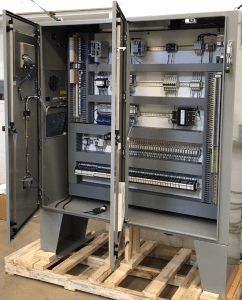
Industrial Control Panels: Custom Manufacturing & Engineering for Alberta & Ontario
In the high-stakes environments of the Alberta Oil Sands and Ontario’s energy corridors, “good enough” is a liability. Your facility requires industrial control panel fabrication that survives extreme -40°C winters and rigorous Canadian safety audits. At.
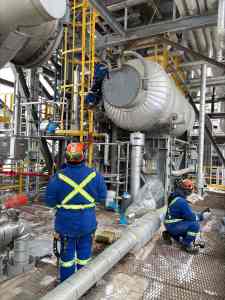
Heat Tracing & Insulation Inspection Services in Alberta
Heat tracing and insulation inspection is essential for industrial facilities where heat loss, moisture intrusion, and system degradation quietly erode performance. Over time, small insulation failures or underperforming heat tracing circuits can lead to.

MSCP Expands Canadian Manufacturing with New Alberta Facility
MSCP proudly expands its operations with the acquisition of a 48,500 SF facility on 2.99 acres at 500 Streambank Ave, Sherwood Park, Alberta, strengthening its Canadian manufacturing capabilities. This new hub marks a major milestone in MSCP’s growth.