
Engineered Heat Management for Refineries, Oilsands, and Large Facilities
For large-scale energy facilities in Alberta and across Canada, choosing between electrical heat trace and glycol heat tracing is a critical engineering decision. While both systems protect against freezing, the demands of a refinery or oilsands operation require a deeper analysis of long-run reliability, safety, and asset integrity.
Glycol vs. Electrical Heat Trace: Engineering Comparison
| Feature | Glycol Heat Trace | Electrical Heat Trace |
| Primary Method | Circulated Heated Glycol | Resistive Heating Cable |
| Best Application | Long Pipelines, Process Tanks | Freeze Protection, Short Runs |
| Temperature Control | High Uniformity (Large Scale) | Segmented (Local Control) |
| Hazardous Areas | Intrinsically Safe | Requires Explosion-Proof Design |
| Installation Length | Excellent for very long runs | Limited by voltage drop |
| Maintenance | Pump and fluid maintenance | Minimal maintenance |
What is Glycol Heat Trace?
Glycol heat trace is a fluid-based heating system that circulates heated glycol through tubing to maintain precise process temperatures. In 2026, glycol tracing remains the gold standard for long-distance pipelines and high-risk flammable environments.
Key Advantages for Large Facilities:
Uniform Thermal Envelope: Ideal for midstream pipelines where temperature drops cannot be tolerated.
Refinery Safety: Being fluid-based, it eliminates the risk of electrical sparking in hazardous or flammable zones.
Industrial Scalability: A single central heating loop can support massive industrial systems.
Operational Reliability: Fully compatible with industrial insulation and rope access services for remote maintenance.
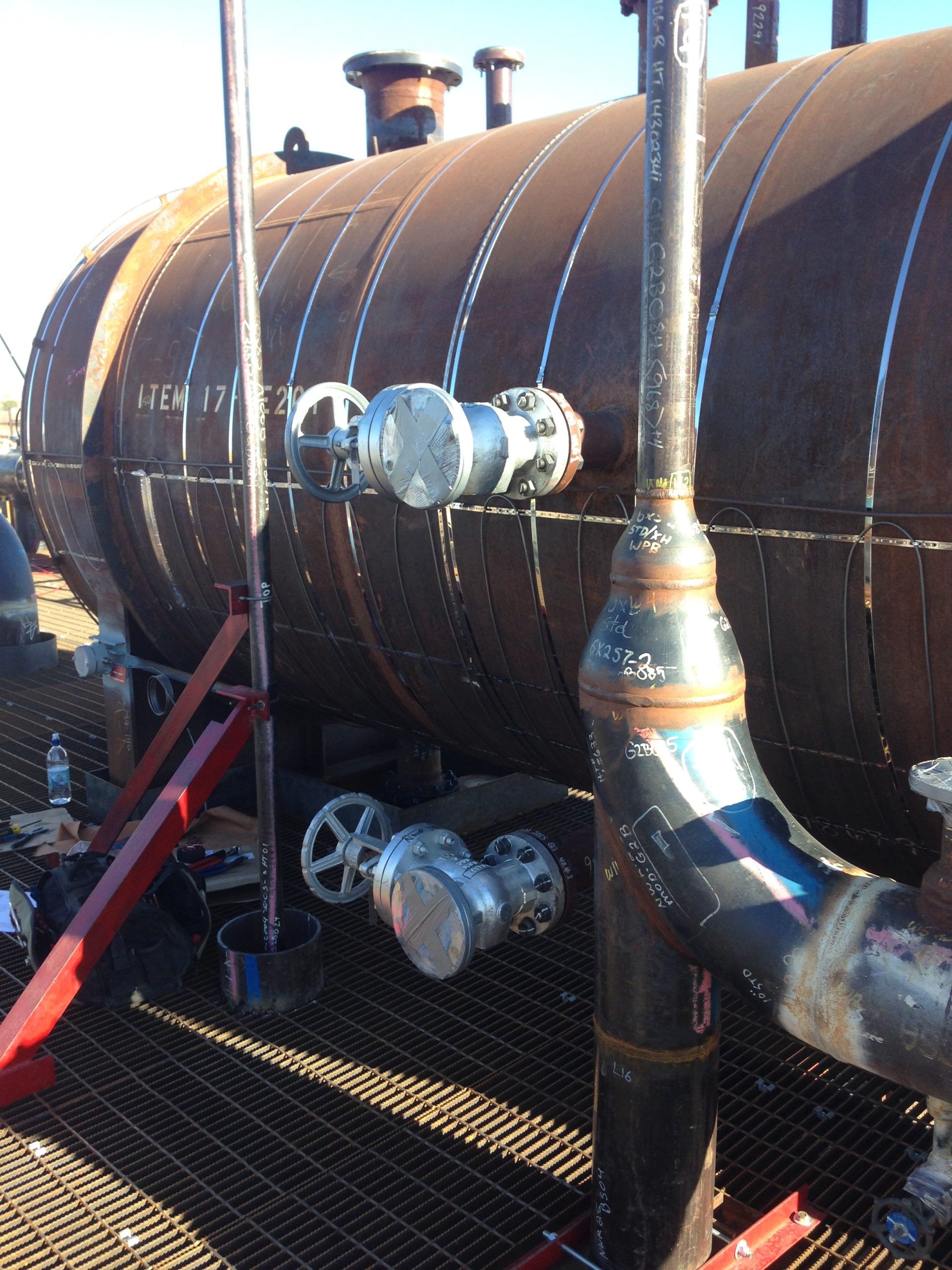
What is Electrical Heat Trace?
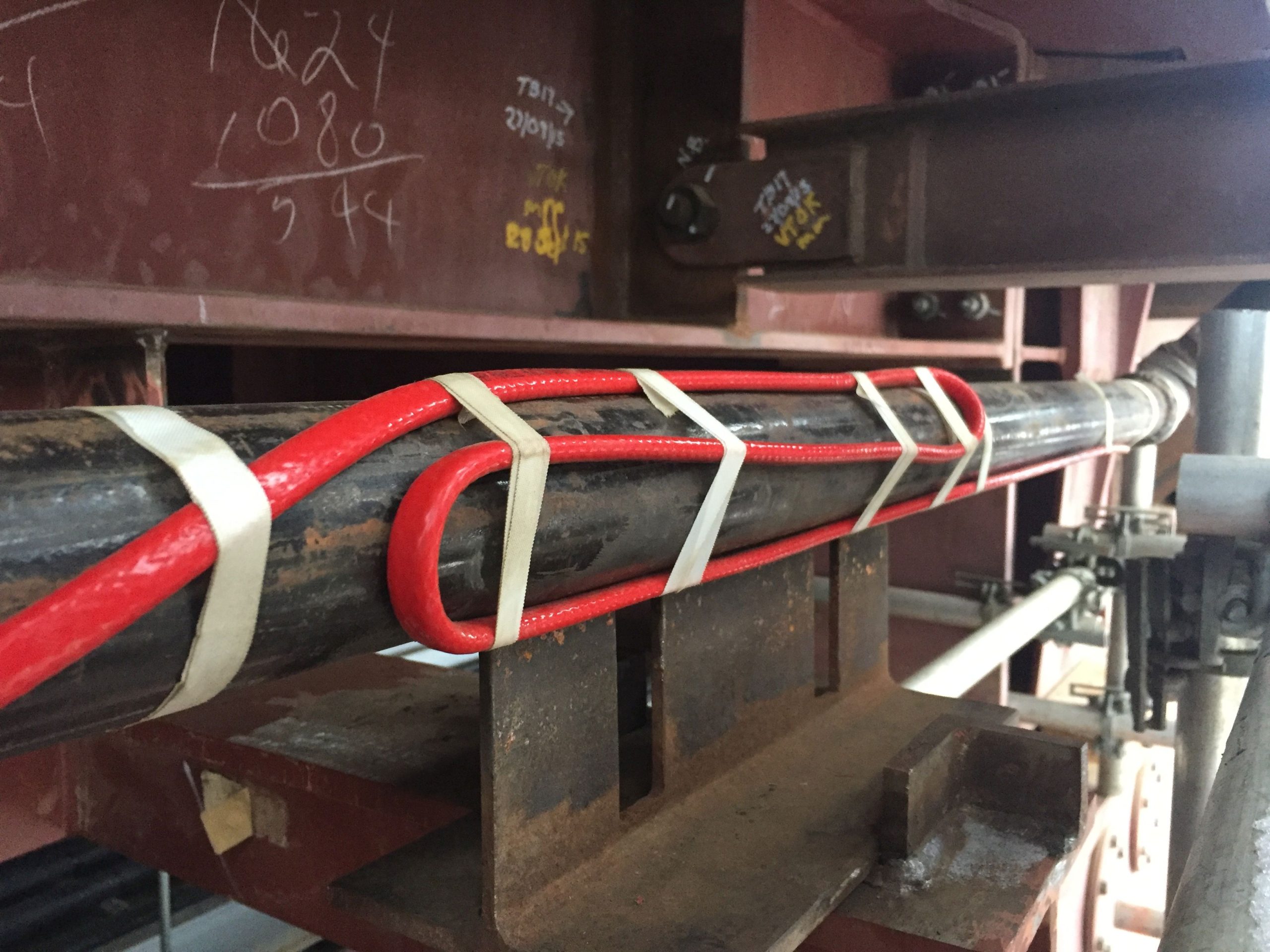
Electrical heat tracing uses resistive heating cables installed directly on surfaces. It is the preferred choice for Alberta facilities requiring rapid installation and localized temperature control.
Self-Regulating Technology: Automatically adjusts heat output based on ambient conditions.
Precision Control: Best for small-to-medium process lines requiring specific setpoints.
Constant Wattage: Provides consistent heat along its entire length for targeted process maintenance.
MSCP: Canada’s Leading Industrial Heat Trace Company
As a premier heat trace company based in Sherwood Park, Alberta, MSCP specializes in industrial heat tracing for Canada’s most demanding sectors: Oil & Gas, Mining, and Power Generation.
Our Systemic Approach for Energy Facilities
We don’t just install systems; we provide Integrated Heat Management Solutions (HMS). By combining industrial insulation, rope access, and digital project management, we ensure your facility operates at peak efficiency.
Refinery & Oilsands Expertise: Serving Fort McMurray, Grande Prairie, and Edmonton’s refinery row.
CUI Prevention: Integrating glycol systems with advanced insulation to prevent Corrosion Under Insulation.
Digital Work Packages: Full transparency with step-by-step photographic documentation for every project.
Nationwide Support: Serving all Canadian provinces and northern territories.
FAQs About Industrial Heat Tracing
1. Why is glycol heat trace preferred for refineries?
Refineries involve long pipeline runs and highly flammable zones. Glycol heating systems provide uniform heat without the electrical limitations of voltage drop, making them safer and more efficient for large-scale loops.
2. How is glycol heat trace different from electrical heat trace?
Unlike electrical heat trace, which uses resistive cables, glycol trace circulates a heated fluid. Glycol systems are ideal for long pipelines and hazardous environments, while electrical heat trace works best for short runs or freeze protection.
3. Can glycol heat trace be combined with insulation?
Absolutely. MSCP’s systemic approach integrates glycol heat tracing with industrial insulation to optimize efficiency and prevent CUI (Corrosion Under Insulation).
4. Is glycol tracing suitable for extreme northern climates?
Yes. Glycol heat tracing is highly effective in sub-zero temperatures, ensuring pipelines and equipment remain operational in remote northern Canadian locations.
Protect Your Assets. Optimize Your Efficiency.
Choosing the wrong system can lead to frozen lines, process downtime, and safety risks. Partner with the industrial heat trace experts who understand the complexities of the Alberta oilsands and Canadian energy infrastructure.