

Using Deficiency Reports For System Winterization
One of the biggest adversaries to the smooth operation of every oil and gas production facility is the season change from fall to winter. This is a critical time to ensure that insulation and heat trace solutions that are removed during projects, and that turnaround work, has been reinstalled and energized.
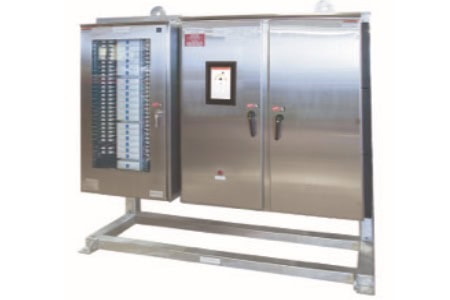
Choosing the Right EHT Controller for Your System
When it comes to optimizing your industrial heat trace system, choosing the right EHT controller—also known as a heat trace controller—is critical. These controllers are the brains of your operation, ensuring that electric heat tracing is consistent, safe, and efficient across all applications, from pipe freeze protection to temperature maintenance.

9 Cost-Effective Benefits of Local Material Management
Experienced oil and gas plant managers know that regular maintenance checks are crucial to keeping their facilities operating while continuing to generate and protect revenue . A significant part of keeping their heat trace and insulation systems functioning is material management which is the replacing of old, worn-out, or broken parts before they trigger critical issues or plant downtime.

Our Unique Approach to Employee Recruitment and Retention
Most business leaders understand that for a company to be successful, they need to have great employee recruitment and find unique ways to retain them. To accomplish this, companies must provide their employees with a rewarding career that includes extensive training and mentorship that elevates their skills and drives career progression.

Transformative Insulation Recycling and Repurposing
Over the past several years, increased expectations have been placed on Canadian businesses to demonstrate their commitment to “going green” by adopting sustainable practices. Sustainability includes how a company handles its waste through recycling and repurposing.
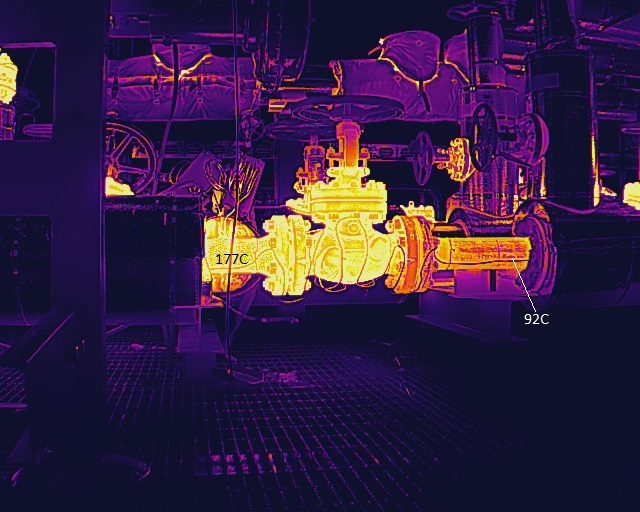
Identifying Heat Loss Through Thermal Imaging
Many Canadian oil and gas facilities use heat management systems that operate well as a failsafe. However, the traditional method of simply waiting for issues to happen and then correcting them is risking downtime of the process your facility relies on for revenue. Too many failures in your production line could signal that expensive maintenance is on the horizon.